
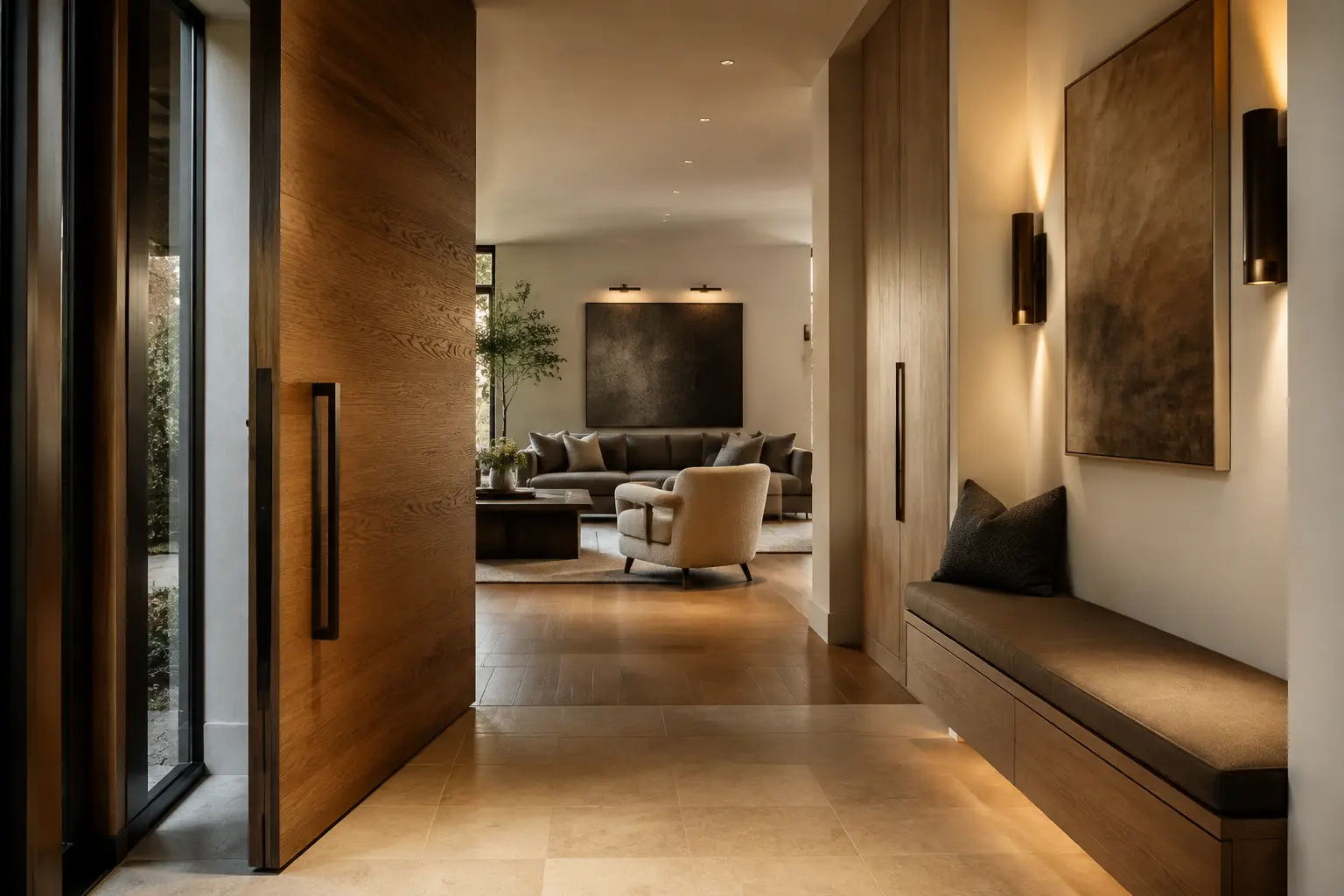
Staying in the home can avoid temporary housing costs, but it may introduce slower sequencing, repeated protection, limited working hours, daily setup, and significant stress. The decision should be based on the actual construction plan rather than optimism before demolition.
Identify essential rooms and services
Map when the kitchen, bathrooms, laundry, stairs, entrances, water, power, heating, and cooling will be unavailable. A temporary sink or cooking setup may help with a limited phase, but it may not be reasonable during a broad interior project.
Consider dust, noise, and separation
Protection and dust-control measures reduce migration but do not make occupied construction identical to normal living. Demolition, cutting, sanding, deliveries, and trade work create noise and movement. The quality of physical separation between occupied and work areas matters.
Review safety and access
Open walls, temporary guards, tools, stored materials, floor protection, and changing routes can affect children, older adults, visitors, and pets. Workers also need predictable access to complete tasks without continually restoring the home for evening use.
Account for schedule effects
Occupancy may require more frequent cleanup, narrower work zones, limited shutdowns, and additional sequencing. Ask how staying would affect productivity, duration, protection, and cost rather than treating temporary housing as the only expense.
Plan furniture and personal belongings
Furniture, clothing, electronics, art, valuables, and daily supplies may need off-site storage or sealed separation. Moving objects repeatedly from room to room can interfere with progress and expose them to damage.
Create communication boundaries
Agree on working hours, access, shutdown notice, daily questions, decision contacts, emergency procedures, and which spaces are private. Living on site should not turn every informal conversation into an undocumented scope change.
Compare the complete cost
Temporary accommodation, storage, pet care, commuting, and moving are visible expenses. Also weigh longer duration, disrupted work and sleep, restaurant meals, repeated cleanup, and the household’s tolerance for sustained uncertainty.
For a complete interior involving several essential rooms and floors, moving out is often the more practical path. For a well-separated phase, remaining may be workable. The construction sequence should decide—not a universal rule.